Production in one system. CRM in another. Finance in a third.
Untangling a patchwork of disconnected systems is one of the clearest wins available to a growing business. It touches how data flows, how teams coordinate, and how far the numbers can be trusted. The companies that get it right do not just connect the tools they already have. They replace the patchwork with one system and one set of data.

ISO 27001
certified
900+
customer references
280+
Odoo experts
05
countries
Replacing the patchwork without breaking what it runs.
Most businesses did not choose a fragmented landscape. It grew one tool at a time, as each department solved its own problem: production on one system, sales on another, finance on a third, with integrations and spreadsheets stretched across the gaps. The challenge is not adding another connector. It is replacing the patchwork with one system, while the work it runs keeps running.
Nothing talks to anything else.
Each system holds part of the picture and none of them share it. The same data gets entered three times, in three places, by three people. A customer order lives in one system, the stock that fills it in another, the invoice in a third. Keeping them in sync is a full-time job nobody was hired to do.

Reconciling takes longer than the work.
More and more of the week goes to reconciling what the systems disagree on. Reports get stitched together in Excel by hand, and by the time they are done they are already out of date. Two systems give two answers to the same question. Nobody fully trusts the numbers, so every decision comes with a caveat.

A landscape nobody designed, and nobody owns.
Every connector is a single point of failure, often built by someone who has since left. When one breaks, finding out why means tracing data across systems that were never meant to fit together. New tools keep getting added, because each one is easier than fixing the whole. The landscape gets more tangled with every quick fix.
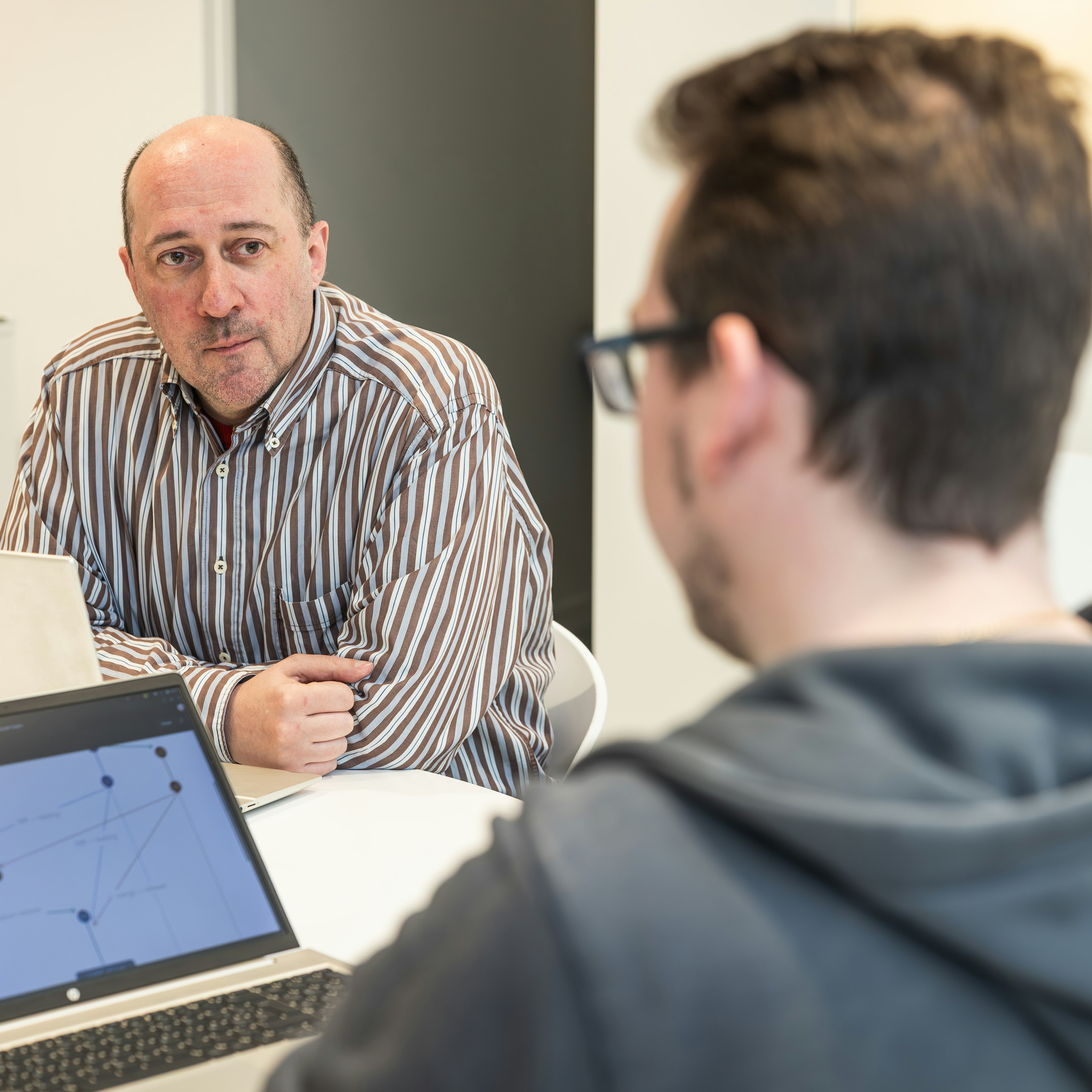
From a tangle of tools to one system.
The right partner does not just add another integration to the pile. We map what each system actually does, then bring the core onto one platform where data lives once and flows everywhere. What genuinely earns its place as a separate tool gets connected cleanly, not stretched together with spreadsheets and manual exports. One system, one set of data, fewer moving parts to break.

What this looks like in practice
Businesses that traded a patchwork for one system.
- Manufacturing
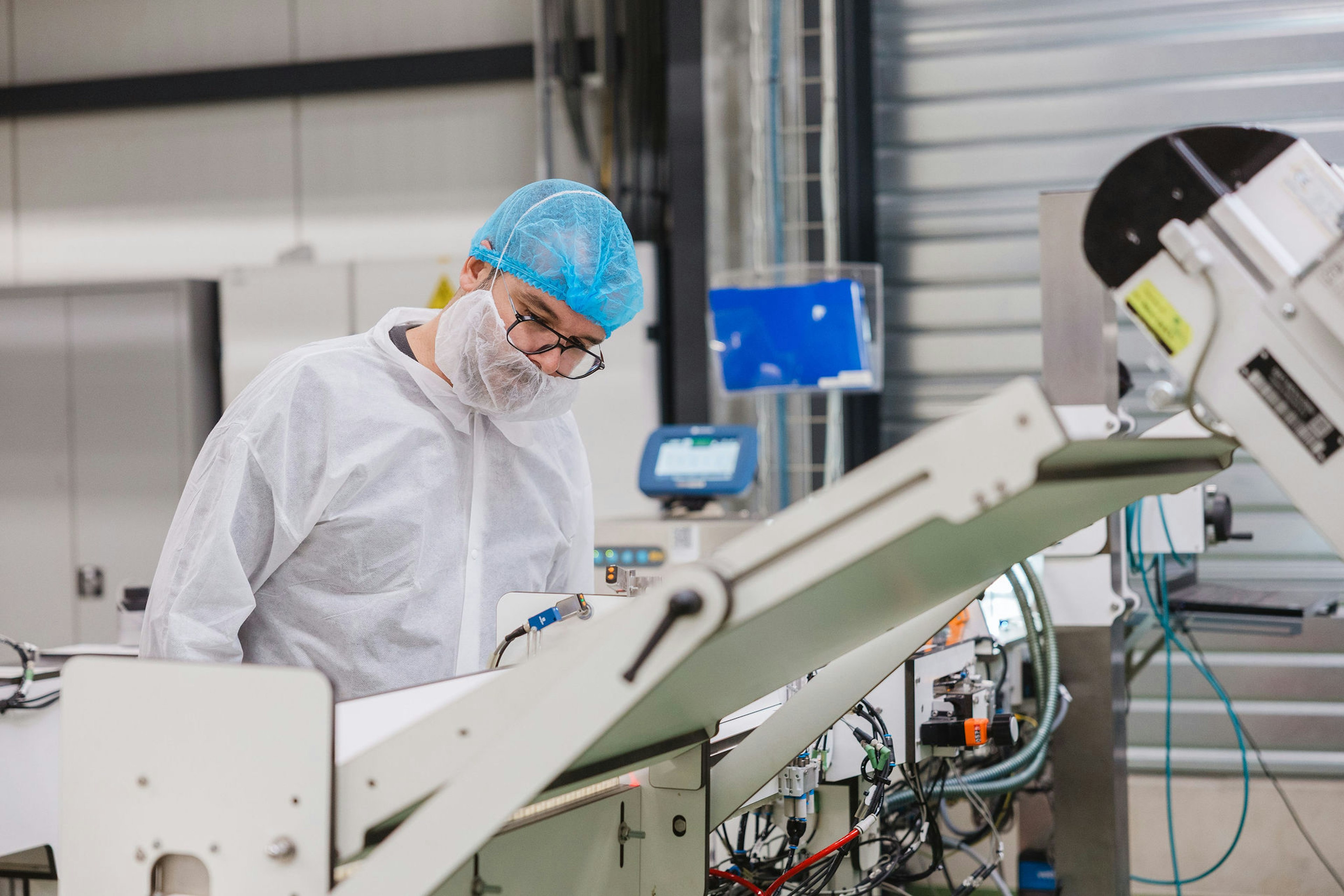
Manufacturing
One Odoo platform for medical-device manufacturing, every lot traceable in real time
Belgian maker of single-use sterile medical devices, 11 production lines running 24/7. Replaced an aging ERP, Excel workbooks and paper trails with one Odoo platform for regulated manufacturing.
- Professional services
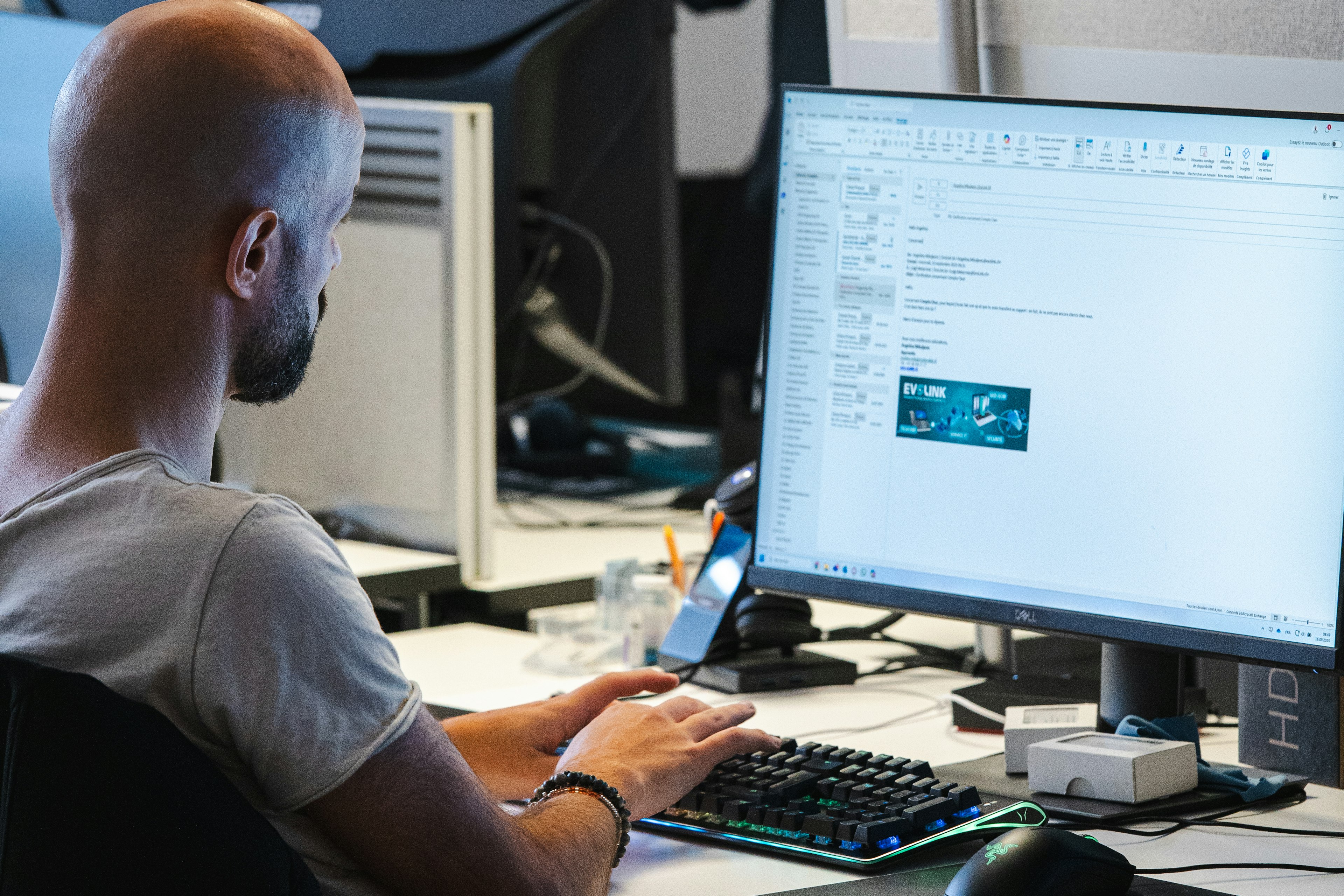
Professinal services
Evolink: one Odoo platform for an IT and telecom company, live across four Swiss sites in three months
Evolink runs managed IT and telecom for SMEs across four sites in French-speaking Switzerland. It moved quoting, projects, timesheets and invoicing onto one Odoo platform.
- Laboratories
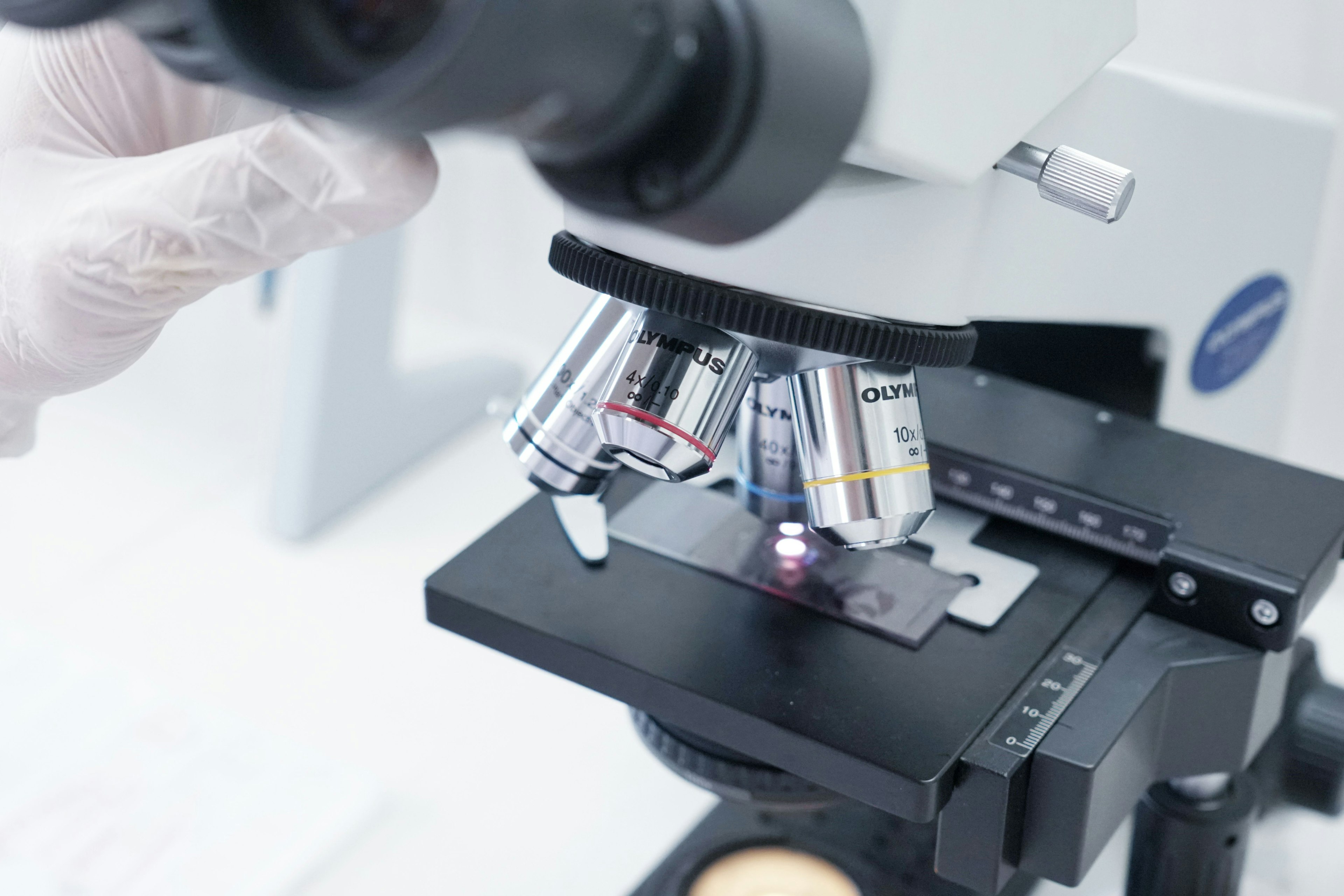
Laboratories
Five apps, one LIMS, one Odoo platform
The world’s oldest gemmological laboratory, with 12 to 14 daily users in Paris. Moved its compliance, operations and reporting onto one Odoo platform with an embedded LIMS.
Related challenges
Other patterns we see often.
Sound familiar?
Scaling for the next phase of growth
The business is ready to grow. The infrastructure is not.
Replacing a legacy ERP
A 10-to-20-year-old system at the center of operations, too critical to touch.
Consolidating operations
Multiple entities, multiple systems,
one company that cannot see the full
picture.Recovering a failing Odoo
Already on Odoo. Still not getting what was promised.
Same challenge, different reality
How this pain shows up across industries.
The disconnected-systems problem is universal in mid-market. The shape it takes is not. Same root, different symptoms.
Manufacturing
Production floor, finance, and supply chain in the same language.
Retail & wholesale
Brick, click, and warehouse. One stock. One view.
Professional services
Projects, people, and P&L, running off one model.
Financial services
Onboarding, billing, and reporting, on one platform.
Food & beverage
The full food and drink chain, traceable from raw material to shelf.
Energy & utilities
Installers, operators, producers, cooperatives. Each on Odoo, shaped to fit.






The questions before you commit.
Replacing a tangle of systems raises real questions about disruption, cost, timing, and what happens to the tools you actually want to keep. Here are the ones we hear most, answered straight. If yours is not here, ask us.
Ready to run on one system instead of many?
A first conversation about the systems you run today and what it would take to bring them onto one platform. An honest read from people who have untangled landscapes like yours before